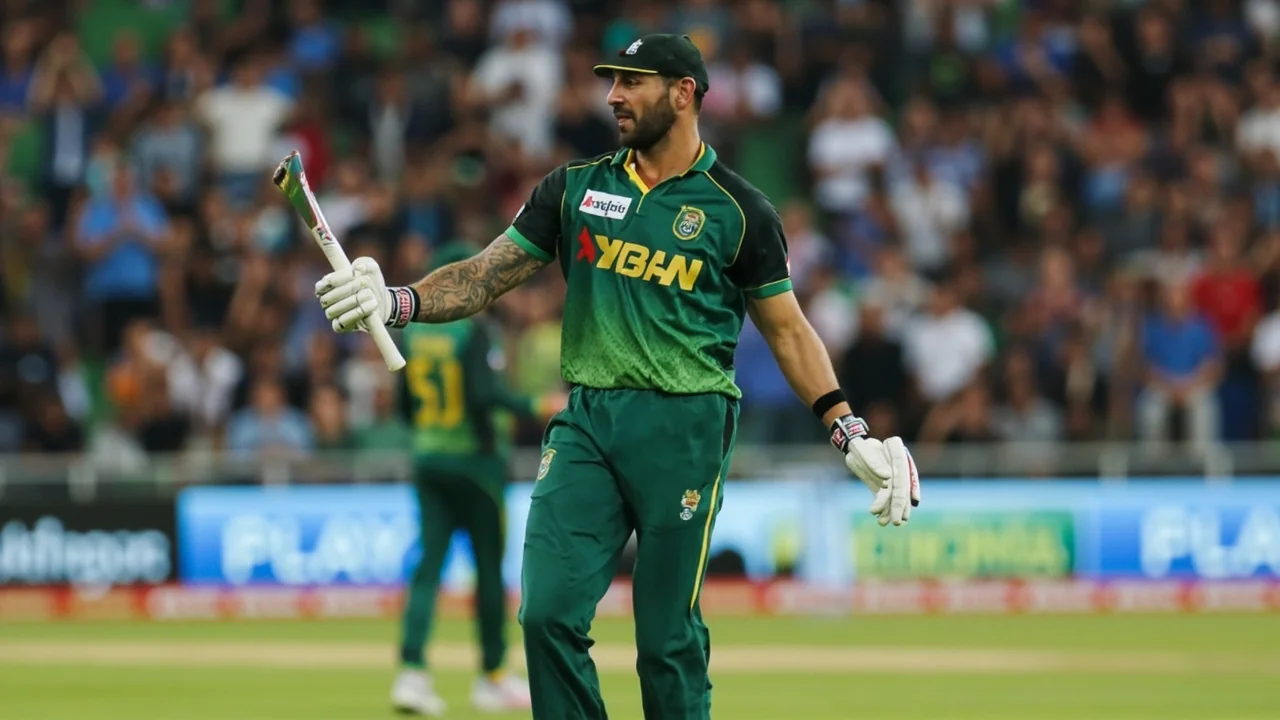
The fixture: Barabati Stadium, Cuttack on the evening of 9 December 2025
The opening match of South Africa's tour of India 2025 was scheduled at Barabati Stadium in Cuttack on Tuesday, 9 December 2025, with the first ball timed for 7:00 PM IST — the standard Indian prime-time T20I slot that has framed most bilateral fixtures in the post-IPL era. The fixture was India's first home T20I series since January and the first time Suryakumar Yadav's T20I side had taken the field at full strength since the 2-1 series result against Australia, in which two of the five matches were washed out without a result.
The venue itself is a familiar stop on the Indian T20I circuit. Barabati Stadium has hosted senior international cricket since the 1980s, has a conventional Indian centre wicket with a square that favours both pace and spin, and has been a fixture of the East Zone domestic calendar for decades. The floodlight setup at Barabati has been upgraded twice in the last ten years and meets the broadcast standard that the BCCI now requires for bilateral internationals. Star Sports Network held the broadcast rights, with live streaming on JioHotstar for Indian audiences outside the subscription paywall.
For fantasy cricket operators building under the 100-credit salary cap on Quriousbit, the venue and the date mattered less than the surface profile and the form numbers going into the series. The source preview's captaincy frame — Suryakumar Yadav as captain and Hardik Pandya as vice-captain on a Dream 11-style eleven — sat on top of three concrete reads: a low-scoring Barabati surface averaging 130 in the first innings of the last ten matches, a cloudy and humid evening weather window, and a toss call the preview flagged as likely to bowl first. The remainder of the article works the run-by-run logic behind those reads.
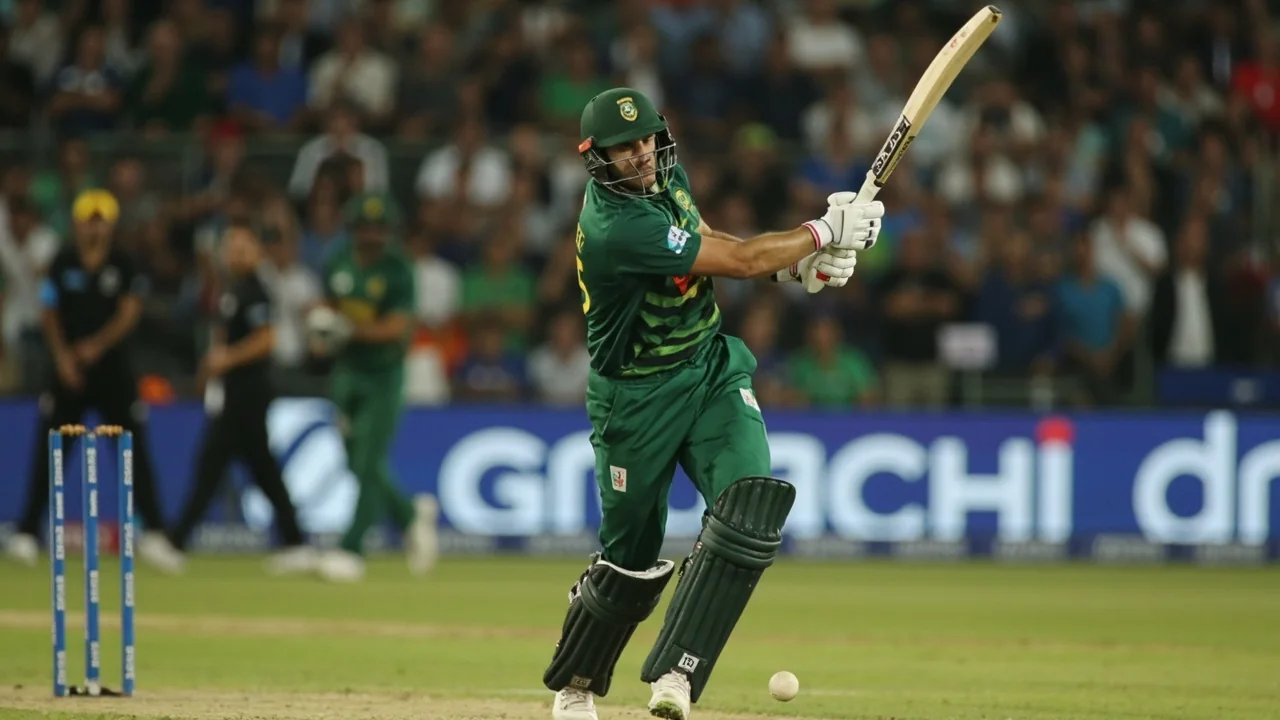
Probable India XI: Gill returns as vice-captain, Pandya back from injury
The source preview listed India's probable XI at full strength for the series opener: Abhishek Sharma, Shubman Gill (vice-captain), Tilak Varma, Suryakumar Yadav (captain), Hardik Pandya, Shivam Dubey, Axar Patel, Jitesh Sharma (wicketkeeper), Jasprit Bumrah, Varun Chakravarthy, Kuldeep Yadav. The composition is the kind of balanced T20I XI that the Indian selectors have preferred through 2025 — three frontline seam options, two specialist spinners in Kuldeep Yadav and Varun Chakravarthy, the left-arm spin of Axar Patel to break up the right-hand-heavy middle order, and the keeper-batter slot held by Jitesh Sharma ahead of Sanju Samson on the current pecking order.
Two selection stories sat underneath the eleven. The first was Shubman Gill's return to the vice-captain slot after missing the recent Test series against South Africa with a spasm — the spasm cost him the back end of the first Test in November and the selectors confirmed his return to the T20I side on the eve of the Cuttack fixture. The second was Hardik Pandya's availability after recovering from the Asia Cup injury that had kept him out of the Australia T20I series — Pandya was back at full fitness in the nets in Cuttack the day before the match, and the source preview's vice-captain call was built around his dual-points ceiling with both bat and ball.
The bench options the source preview listed were Washington Sundar, Harshit Rana, Arshdeep Singh and Sanju Samson. Arshdeep Singh was the most likely seam-bowling swap if the Indians wanted a second left-arm pace option; Washington Sundar was the spin-bowling all-rounder swap if the team wanted to add batting depth; and Sanju Samson was the keeper-batter swap if Jitesh Sharma had failed a late fitness check. The preview framed the eleven above as the starting XI the operator built against, with the bench names available as Impact Player or late-swap options but not as base-case picks.
Probable South Africa XI: Markram captains, Brevis and Stubbs in the middle
The source preview listed South Africa's probable XI for the Cuttack opener: Quinton de Kock (wicketkeeper), Aiden Markram (captain), Reeza Hendricks, Dewald Brevis, Tristan Stubbs, David Miller, Marco Jansen, Corbin Bosch, Keshav Maharaj, Lungi Ngidi, Anrich Nortje. The composition reflects the Proteas' T20I rebuild under Markram — a top order that runs through de Kock and Hendricks, the in-form Brevis-Stubbs middle-order pair, Miller as the finisher, and a bowling unit that balances the seam of Ngidi, Nortje and Jansen against the left-arm spin of Keshav Maharaj and the seam-bowling all-round of Bosch.
The form read going into the series was mixed. South Africa had won only five of fourteen T20Is in 2024, had lost the tri-series final to New Zealand earlier in the year, had lost bilateral series to Australia and Pakistan in the same window, and had finished 1-1 in a home series against England. The October T20I loss to Namibia under Donovan Ferreira was the most recent result before the India tour and the one the source preview flagged as a clear form concern. Against that, the side had won the last two fixtures before the India tour — the kind of short-form bounce that T20I form often produces after a lean stretch.
The bench options the source preview listed were Tony de Zorzi, Ottniel Baartman, Donovan Ferreira, George Linde, Lutho Sipamla and Kwena Maphaka. Baartman was the most likely seam-bowling swap if the Proteas wanted an extra death-over option; Ferreira was the batting swap if the side wanted to strengthen the middle order; and Linde was the spin-bowling swap if the conditions at Cuttack turned more than expected. The probable XI above is the eleven the operator built against, and the captain and vice-captain frame below assumes both Markram and de Kock are in the side as named.
The pitch read: Barabati averages 130, both pace and spin get help
The Barabati Stadium pitch was described by the source preview as a low-scoring surface that gets help for both pace and spin. The characterisation is grounded in the last ten matches at the venue, where the first-innings average score sits at 130 — well below the 160-plus first-innings average that the bigger Indian T20I venues typically post. The reason for the lower average is the surface itself: the Barabati centre wicket has historically offered consistent bounce and lateral movement for the seamers with the new ball, with enough rough developing through the middle overs for the spinners to grip the ball.
The practical translation for fantasy cricket operators is that the points ceiling on the Barabati surface sits with the bowlers more than the batters. A low-scoring surface produces wickets — fewer boundaries, more dot balls, more caught-and-bowled and LBW dismissals — and wickets translate to 25 points each on a standard Dream 11-style scoring system, plus bonuses for maidens, hat-tricks and LBW/Bowled modes of dismissal. On the India side, that ceiling sits with Jasprit Bumrah, Varun Chakravarthy and Kuldeep Yadav; on the South Africa side, with Anrich Nortje, Lungi Ngidi and Keshav Maharaj.
The toss read on the surface — both teams likely to bowl first — is the second-most important fantasy frame. In a low-scoring venue, the side that bowls first has the cleanest read on what total to chase; the side that bats first has to navigate the new-ball movement and the middle-overs turn without a known target. The captain and vice-captain frame below is built around the side expected to bowl first, with the death-overs specialist bowlers weighted higher than the top-order anchors on both sides.
The weather read: cloudy, 83 percent humidity, light rain threat
The Cuttack weather for the first innings was forecast at 27.7 degrees Celsius with cloudy skies and 83 percent humidity, according to the source preview. The combination is significant for two reasons. First, the cloud cover and humidity help the seamers grip the ball and produce conventional swing — the new-ball bowlers on both sides get more lateral movement under these conditions than they would on a clear, dry evening. Second, the humidity produces a heavier outfield, which in turn slows the ball through the infield and reduces the boundary count at the back end of the innings.
The light rain threat is the second weather variable. Cuttack in December sits inside the retreating monsoon window for East India, and a passing shower in the first innings can interrupt the batting side's momentum and reset the surface profile for the second innings. The source preview's framing of the weather read was that the conditions favoured the bowlers through both innings, with the captain and vice-captain frame built around the seamers and spinners rather than the top-order anchors.
For fantasy cricket operators building under the 100-credit salary cap on Quriousbit, the weather read tilts the team shape towards a 3-3-1-4 or 4-3-1-3 split, with one wicketkeeper, three or four batters, three all-rounders and four bowlers. The split is heavier on the bowlers than the typical T20I team shape because of the low-scoring surface and the helpful weather — and because, on a Barabati pitch, the boundary count is the variable most likely to underperform the pre-match projections.
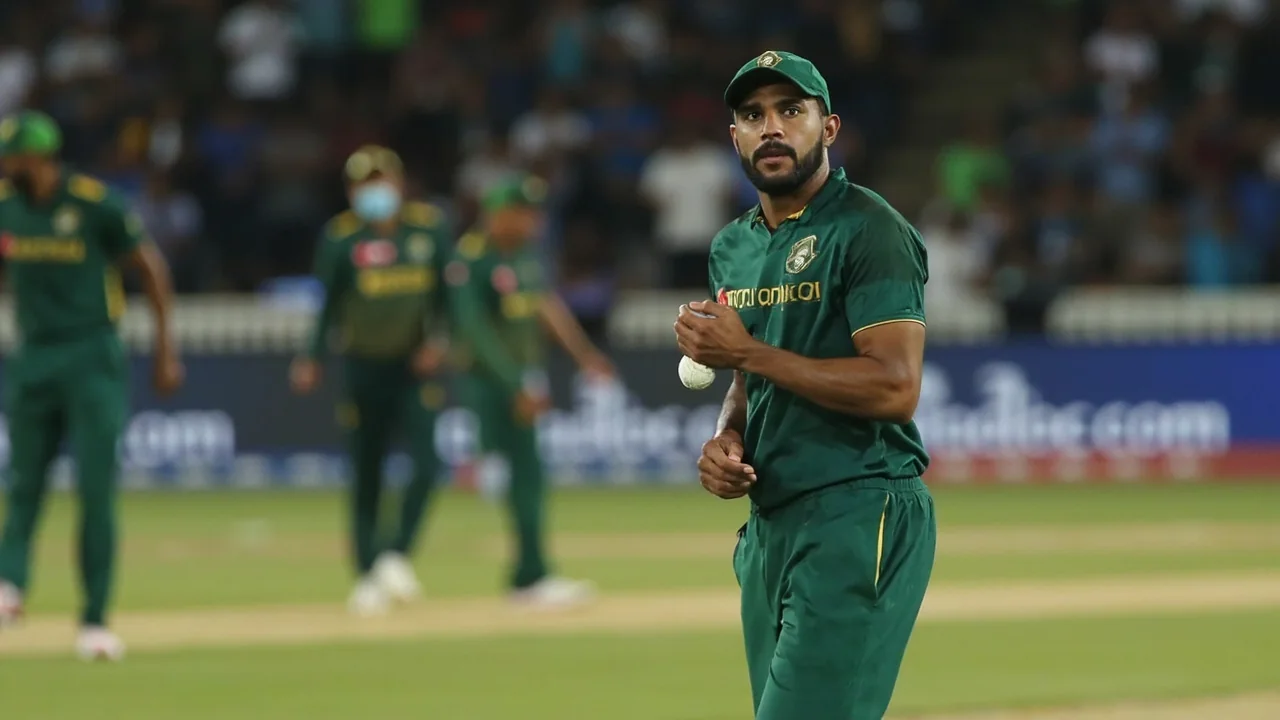
Last-five form: India W L W L L, South Africa L W L W W
The source preview listed both sides' last-five-match T20I form lines. India entered the series opener with W L W L L — two wins, two losses and a washout-result in the last five matches, the washout being one of the two rain-affected games against Australia that did not produce a result. The form line is misleading on its own: the two losses were close-run chases against sides that India has historically dominated, and the two wins were commanding. South Africa's form line read L W L W W — two wins, two losses and a washout in the same window, with the washout being the abandoned fixture against Namibia in October.
The form comparison tilts the fixture towards India on a venue and surface that has historically favoured the host side. India has won six of the last eight T20Is played at home venues with similar low-scoring profiles, while South Africa's away record in India through the last decade has been modest — two series wins, two series losses and one drawn series across the five bilateral T20I tours between 2015 and 2024. The head-to-head T20I record overall sits at 31 matches played, with India 18 and South Africa 12 and one no-result.
The wider context for the fixture is that South Africa's tour of India 2025 was a four-match T20I series followed by a three-match ODI series and two Tests. The T20I leg was the marquee opening block, and the source preview's framing of the captaincy and vice-captaincy frame was built around the first match of a four-match series rather than a one-off bilateral. The series opener at Cuttack was, in that sense, the tone-setter for the rest of the tour, and the captain and vice-captain frame on the fantasy team reflects that series-level view.
Captain pick: why the source preview picked Suryakumar Yadav
The source preview named Suryakumar Yadav as the captain pick on the Dream 11-style eleven for the Cuttack opener. The framing of the call rested on three grounds. The first was the role-bucket dual points: Yadav is the India captain, the side's most established T20I batter through the 2024-25 cycle, and the player whose batting position at number four guarantees a minimum of 30 to 40 balls in any completed innings. On a low-scoring Barabati surface, the captaincy multiplier on Yadav's points haul is the cleanest 2x ceiling in either XI.
The second ground was the venue profile. Barabati's low-scoring, spin-friendly middle overs play into Yadav's batting strengths — his 360-degree stroke-making against both pace and spin is the kind of skill that converts low-scoring surfaces into workable totals when other top-order anchors struggle. Yadav's strike rate against spin in T20Is through 2024 and 2025 has sat above 140, and his average against spin has been north of 35 — the kind of numbers that translate cleanly to a Barabati middle overs where the spinners are expected to dominate.
The third ground was the ownership read. Yadav was going to be among the highest-owned captain picks on any Dream 11-style contest on the fixture. Picking him as captain on a Quriousbit contest locks the operator into the highest-ownership decision on the board — which costs differential value in any league contest above a few hundred entries, but which guarantees the captaincy floor on the cleanest role-bucket read. The source preview framed Yadav as the safe captain pick, in contrast to the differential vice-captain pick of Hardik Pandya, which is the cleaner upside read on the fixture.
Vice-captain pick: why Hardik Pandya over the obvious anchors
The source preview named Hardik Pandya as the vice-captain pick — a counter-intuitive call against the obvious vice-captain choice of Shubman Gill, and one that the preview defended on three grounds. The first was the role-bucket dual points: Pandya is a seam-bowling all-rounder who bats in the middle order at number five or six, can score quickly against both pace and spin, and picks up wickets with the new ball and at the death. The dual-points ceiling — bat points plus ball points — is the single biggest fantasy leverage on a low-scoring Barabati surface where the bowlers are expected to dominate.
The second ground was the recent form read. Pandya had missed the Australia T20I series with the Asia Cup injury and had returned to full fitness in the Cuttack nets the day before the match. The source preview flagged his return as a clean form signal — the kind of fresh, motivated player who performs above his career averages in the first match back from injury. The vice-captain 1.5x multiplier on Pandya's points haul produces a ceiling that the preview framed as the cleanest differential read on the fixture.
The third ground was the match-up angle. Pandya's right-arm medium pace and right-arm off-spin variations against the South African middle order — Brevis, Stubbs, Miller, Jansen — is a known match-up advantage in T20I cricket. The angle of attack across the left-handers sits naturally into the right-handed middle order, and the slower-ball variations work against batters who are early on the front foot. The preview's framing of the call leaned on this specific match-up, not on Pandya's career numbers in isolation.
The full eleven: how the captain and vice-captain slots shape the rest
With the captain slot locked to Suryakumar Yadav and the vice-captain slot locked to Hardik Pandya, the rest of the eleven falls into role-bucket balance. Wicketkeeper: Jitesh Sharma on the India side, with Quinton de Kock the alternative keeper pick on the South Africa side if the operator wanted to back the visiting top-order anchor. Batters: Abhishek Sharma, Shubman Gill and Tilak Varma on the India side, with Reeza Hendricks and David Miller the batter alternatives from South Africa.
All-rounders: Shivam Dubey and Axar Patel on the India side, with Marco Jansen the seam-bowling all-rounder alternative from South Africa. The all-rounder slot is where the role-bucket reads matter most on a low-scoring Barabati surface — the dual-points ceiling from a seam-bowling all-rounder who can also bat down the order is the cleanest upside read on the fixture, and the preview's vice-captain pick of Pandya is the marquee example of that read.
Bowlers: Jasprit Bumrah, Varun Chakravarthy and Kuldeep Yadav on the India side, with Anrich Nortje, Lungi Ngidi and Keshav Maharaj the bowling alternatives from South Africa. The 3-3-1-4 split on the bowling side — three specialist bowlers plus two all-rounders who can bowl — is the right shape for a low-scoring venue where the bowlers are expected to dominate. The full eleven the source preview listed was: Abhishek Sharma, Shubman Gill, Tilak Varma, Suryakumar Yadav (captain), Hardik Pandya (vice-captain), Shivam Dubey, Axar Patel, Jitesh Sharma (wicketkeeper), Jasprit Bumrah, Varun Chakravarthy, Kuldeep Yadav.
FAQ: IND vs SA 1st T20I Cuttack Dream 11 prediction retrospective
When and where was the 1st T20I between India and South Africa played?
The 1st T20I of South Africa's tour of India 2025 was scheduled at Barabati Stadium in Cuttack on Tuesday, 9 December 2025, with the first ball at 7:00 PM IST. The broadcast was on Star Sports Network and live streaming on JioHotstar for Indian audiences.
What was India's probable XI for the Cuttack opener?
India: Abhishek Sharma, Shubman Gill (vice-captain), Tilak Varma, Suryakumar Yadav (captain), Hardik Pandya, Shivam Dubey, Axar Patel, Jitesh Sharma (wicketkeeper), Jasprit Bumrah, Varun Chakravarthy, Kuldeep Yadav. Bench: Washington Sundar, Harshit Rana, Arshdeep Singh, Sanju Samson.
What was South Africa's probable XI for the Cuttack opener?
South Africa: Quinton de Kock (wicketkeeper), Aiden Markram (captain), Reeza Hendricks, Dewald Brevis, Tristan Stubbs, David Miller, Marco Jansen, Corbin Bosch, Keshav Maharaj, Lungi Ngidi, Anrich Nortje. Bench: Tony de Zorzi, Ottniel Baartman, Donovan Ferreira, George Linde, Lutho Sipamla, Kwena Maphaka.
What was the pitch and weather read for the Cuttack opener?
Barabati Stadium was described as a low-scoring surface with an average first-innings score of 130 across the last ten matches. Both pace and spin got help. The weather was forecast at 27.7 degrees Celsius, cloudy, with 83 percent humidity. The toss winner was expected to bowl first.
Who did the source preview name as captain and vice-captain on a Dream 11-style team?
The source preview named Suryakumar Yadav as captain and Hardik Pandya as vice-captain. Batters: Abhishek Sharma, Shubman Gill, Tilak Varma. All-rounders: Hardik Pandya (vice-captain), Shivam Dubey, Axar Patel. Bowlers: Jasprit Bumrah, Varun Chakravarthy, Kuldeep Yadav. Wicketkeeper: Jitesh Sharma.
What was the head-to-head T20I record between India and South Africa?
Across 31 T20Is played between the two sides, India had won 18 and South Africa 12 with one no-result. In four India-hosted bilateral series, each side had one series win with two series drawn. South Africa's away record in India across the last decade was modest: two series wins, two losses, one drawn series.
What was the last-five-match form going into the series?
India entered the series with W L W L L (two wins, two losses, one washout-result against Australia). South Africa entered with L W L W W (two wins, two losses, one washout against Namibia in October). India's home T20I record on similar low-scoring venues had been strong through the last 12 months.
Looking back at the Cuttack opener on 9 December 2025 — the first match of South Africa's tour of India 2025 and India's first home T20I series since January — the source preview's captaincy frame was Suryakumar Yadav as captain and Hardik Pandya as vice-captain, with the obvious top-order captaincy pair of Gill and Abhishek Sharma benched in favour of role-bucket reads. The Barabati surface, the cloudy and humid weather, the low first-innings average and the toss-bowl-first read all fed the same call. The broader fantasy cricket coverage on Quriousbit carries the last several months of bilateral T20I retrospectives, IPL 2026 strategy guides and Dream 11-style previews from the recent form cycle, including the role-bucket reads, the venue profiles and the captain-versus-captain frameworks that shaped the differential picks on this fixture.