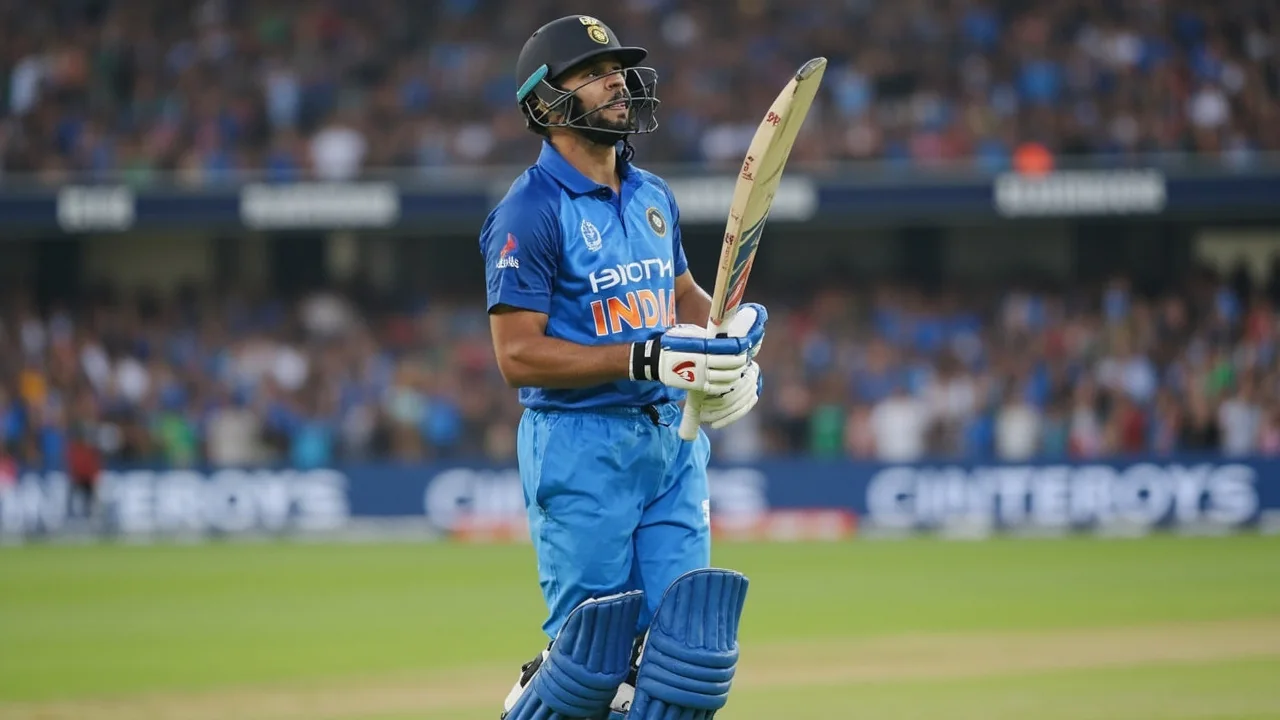
The fixture: BCA Stadium, Kotambi, Vadodara on the evening of 5 February
The Women's Premier League 2026 final was scheduled at BCA Stadium in Kotambi on the outskirts of Vadodara on Thursday, 5 February 2026, with the first ball timed for 7:30 PM local and IST — the standard prime-time WPL slot that has framed every season finale since the tournament's launch. Royal Challengers Bengaluru Women, captained by Smriti Mandhana, came into the final as one of the two league-stage dominants, with Delhi Capitals Women, captained by Jemimah Rodrigues, sitting on the other side of the bracket as the second of the title-defending contenders.
The venue itself was a talking point in the build-up. BCA Stadium at Kotambi had not hosted a senior Women's Premier League final before; the fixture had rotated between Brabourne Stadium in Mumbai and the Arun Jaitley Stadium in Delhi across earlier seasons, and the move to Vadodara was widely read as a regional distribution move by the WPL governing council. The stadium has a black-soil centre wicket, conventional Indian dimensions, and floodlights that the source preview flagged as up to WPL standard without producing the harsh glare that some newer venues do.
For fantasy cricket operators building under the 100-credit salary cap on Quriousbit, the venue, the date and the start time mattered less than the captaincy frame. Mandhana and Rodrigues are the two highest-ownership captain options on either side of any WPL fantasy contest, and the source preview's call was to look past both captains and pick Nadine de Klerk as the team's captain and Lizelle Lee as the vice-captain — a deliberate fade of the obvious captaincy pair in favour of two role-bucket reads that the venue profile and the squad shapes made defensible.
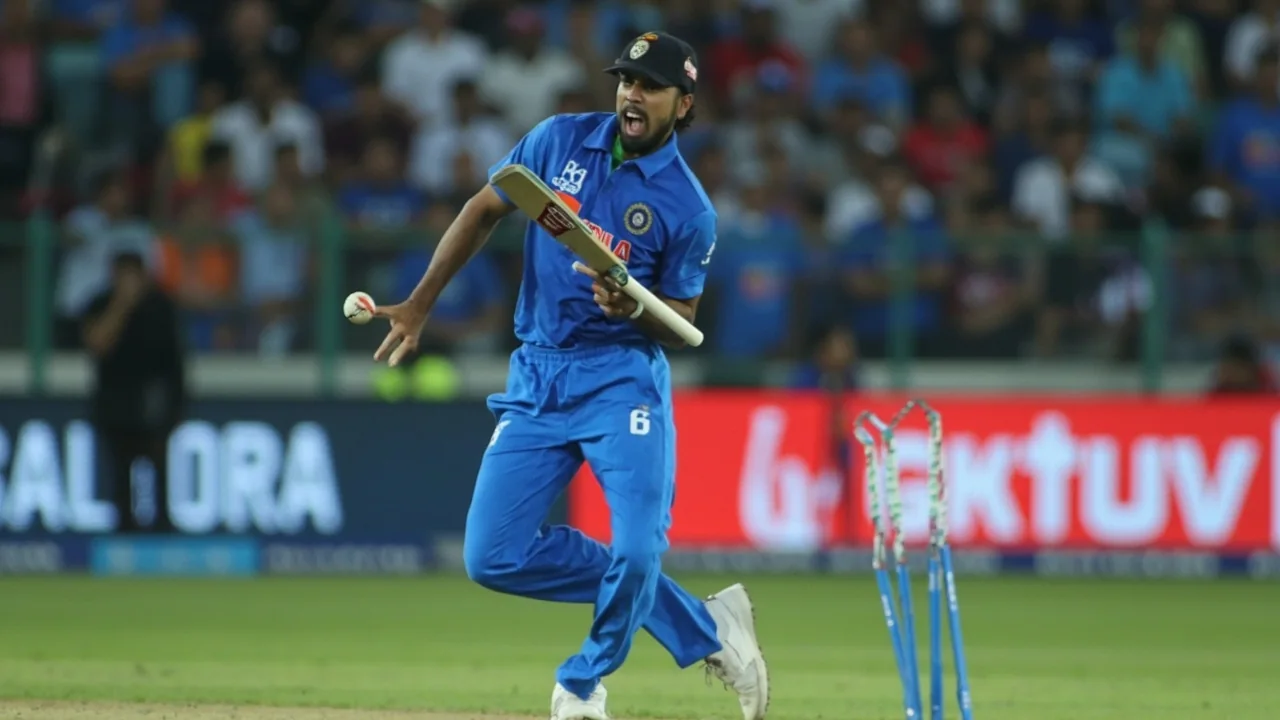
The two probable XIs as listed by the source preview
The source preview listed Royal Challengers Bengaluru Women at full strength and named eleven players for the final: Grace Harris, Smriti Mandhana (c), Radha Yadav, Georgia Voll, Richa Ghosh (wk), Nadine de Klerk, Pooja Vastrakar, Sayali Satghare, Arundhati Reddy, Shreyanka Patil, Lauren Bell. The composition is the kind of balanced WPL XI that has worked through the league stage: three frontline seam options in de Klerk, Vastrakar and Bell, two wrist-spin options in Satghare and Shreyanka Patil, the left-arm spin of Radha Yadav to break the right-handed batters in the middle order, and the keeper-batter slot held by Richa Ghosh.
Delhi Capitals Women's probable XI reads: Lizelle Lee (wk), Laura Wolvaardt, Shafali Verma, Jemimah Rodrigues (c), Marizanne Kapp, Chinelle Henry, Sneh Rana, Niki Prasad, Minnu Mani, Shree Charani, Nandani Sharma. The Capitals' shape is heavier on the pace-bowling all-rounders — Kapp and Henry share the seam duties alongside the spin of Rana, Charani and Mani, with Nandani Sharma slotting in as the second specialist seamer. The top order runs through Lee, Wolvaardt and Shafali Verma, with Rodrigues and Kapp holding the middle.
Both squads were reported as fully available for the final with no injuries or late unavailability. That kind of clean bill of health on a final is not the norm in franchise cricket — the source preview's framing was that the operator building a Dream 11-style team did not have to factor in late swap scenarios, Impact Player substitutions, or a likely bench call. The probable XIs above are the XIs the operator built against, and the role-bucket reads that follow assume these eleven players on the field for both sides.
The pitch read: black soil, consistent bounce, and the dew question
The BCA Stadium pitch was described by the source preview as a black-soil wicket that favours batters, with consistent bounce and carry. The characterisation is the standard read for a black-soil centre wicket in western India — the surface holds together through the innings, the ball comes onto the bat without the slow turn of a dry red-soil track, and stroke-makers through the top order can build an innings without the surface biting back. Pacers benefit with the new ball; spinners are expected to dominate the middle overs; and dew, as the source preview flagged in plain terms, "plays a major role in the second innings."
The dew read matters because it directly inverts the captain and bowling-pick logic between the two innings. A black-soil track with a steady, gripping first innings turns towards a second innings where the ball skids on under lights and the ball comes onto the bat harder than it did in the first innings. The side batting second in Vadodara on 5 February would, on this read, find stroke-making easier than the side batting first — the exact inverse of the dry red-soil read that often frames Indian T20 finals.
For Quriousbit operators running a fantasy team on the final, the practical translation of the dew read is a captaincy tilt. Captain picks from the side that bats second are weighted higher than captain picks from the side that bats first, because the second-innings points ceiling (more boundaries, more sixes, fewer wickets falling to spin) tends to be the wider distribution. The vice-captain slot can still hold a first-innings name on a batting-friendly venue, but the 2x multiplier on the captain should sit with the chasing side on this surface.
Captain pick: why the source preview picked Nadine de Klerk
The source preview named Nadine de Klerk as the captain pick and Lizelle Lee as the vice-captain for the final — a counter-intuitive call against the obvious Mandhana-Rodrigues captaincy pair, and one that the preview defended on three grounds. The first was the role-bucket dual points: de Klerk is a seam-bowling all-rounder who can score with the bat lower in the order and pick up wickets with the new ball and at the death. The dual-points ceiling — bat points plus ball points — is the single biggest fantasy leverage in a T20 final where the surface is batting-friendly but the death overs still reward a specialist pacer.
The second ground was the match-up angle. De Klerk's right-arm medium pace against the Delhi Capitals' left-hand-heavy top order — Lee, Wolvaardt, Shafali Verma — is a known match-up advantage in women's T20 cricket. The angle of attack across the right-handers sits naturally into the left-handed top three, and the slower-ball variations work against batters who are early on the front foot. The source preview's framing of the call leaned on this specific match-up, not on de Klerk's career numbers in isolation.
The third ground was the ownership read. Mandhana and Rodrigues were both going to be the highest-owned captain picks on any Dream 11-style contest on the final. Picking either one as captain would lock the operator into the highest-ownership decision on the board, which costs differential value in any league contest above a few hundred entries. The de Klerk captain call is the kind of low-owned, high-ceiling pivot that wins mega contests — and that the source preview framed as the cleanest differential captain read on the fixture.
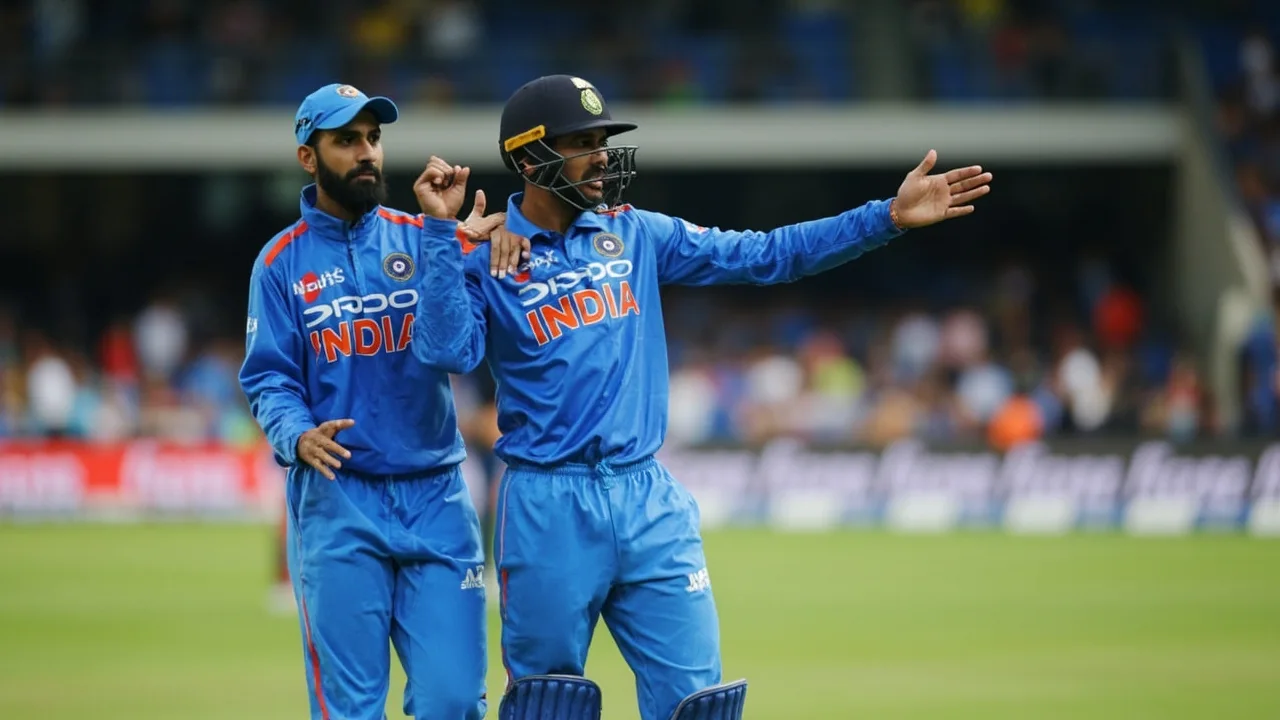
Vice-captain pick: why Lizelle Lee over the obvious top-order names
Lee was named as the vice-captain pick by the source preview — and the framing of the call is worth understanding. Lee is the wicketkeeper-batter for the Delhi Capitals, and her points floor on a batting-friendly venue is one of the highest in WPL fantasy cricket. The keeper-bonus 8 points per catch, 12 per stumping, plus the batting points from the top of the order, compound to a role-bucket ceiling that no pure batter in either XI can match on a single match basis.
The vice-captain 1.5x multiplier applied to Lee's points haul produces a points ceiling that the source preview flagged as the cleanest role-bucket read on the fixture. On a black-soil surface that favours batters, with dew expected in the second innings, and with Delhi batting second on most toss scenarios, Lee's role-bucket profile is the highest-floor vice-captain option in either XI. The captain pick (de Klerk) carries the differential risk; the vice-captain pick (Lee) carries the floor.
The framing of the call matters for how a Quriousbit operator would have built the rest of the eleven. With the captain and vice-captain slots locked to de Klerk and Lee, the rest of the team falls into role-bucket balance: Smriti Mandhana, Grace Harris and Shafali Verma as batters, Marizanne Kapp and Chinelle Henry as seam-bowling all-rounders, Lauren Bell and Shree Charani as specialist bowlers, with Shreyanka Patil and Nandani Sharma as the bowling differential. That 1-3-3-4 role split is the source preview's read on the right shape for the fixture.
Full squad lists: sixteen players on each side
Beyond the playing XIs, the source preview lists the full sixteen-player squads for both franchises. Royal Challengers Bengaluru Women carried: Grace Harris, Smriti Mandhana (c), Georgia Voll, Richa Ghosh (wk), Radha Yadav, Nadine de Klerk, Pooja Vastrakar, Arundhati Reddy, Sayali Satghare, Shreyanka Patil, Lauren Bell, Linsey Smith, Dayalan Hemalatha, Prathyoosha Kumar, Gautami Naik, Prema Rawat. The five names outside the playing XI — Smith, Hemalatha, Kumar, Naik and Rawat — represent the bench options the operator had to weigh for Impact Player and bench-bowler slots.
Delhi Capitals Women carried: Lizelle Lee (wk), Shafali Verma, Laura Wolvaardt, Jemimah Rodrigues (c), Marizanne Kapp, Chinelle Henry, Niki Prasad, Sneh Rana, Minnu Mani, Shree Charani, Nandani Sharma, Alana King, Taniya Bhatia, Lucy Hamilton, Pragati Singh, Eddla Srujana. The five names outside the playing XI — Alana King, Taniya Bhatia, Lucy Hamilton, Pragati Singh and Eddla Srujana — represent the Capitals' bench, with Alana King and Taniya Bhatia the most likely Impact Player swap candidates on a turning middle-overs read.
The source preview did not name an Impact Player swap as a load-bearing read on the fixture — the framing was that the playing XIs were settled, the venue profile was stable, and the bench was depth rather than tactical lever. For Quriousbit operators running fantasy teams under the 100-credit salary cap, the practical read is that the eleven named in the probable XIs are the eleven to build against, and the bench names are bench-only — useful for last-minute swap scenarios but not for pre-match team selection on the eve of the final.
Lessons from the source preview's captaincy frame
The captaincy frame that the source preview applied to the WPL 2026 final — picking the seam-bowling all-rounder as captain and the wicketkeeper-batter as vice-captain, in preference to the obvious captaincy pair — is the kind of role-bucket read that has worked across the recent WPL seasons. The pattern is consistent: in finals on batting-friendly tracks with a dew read in the second innings, the seam-bowling all-rounder from the side expected to bowl second is the cleanest differential captain pick, and the keeper-batter from the side expected to bat second is the cleanest vice-captain pick.
The role-bucket read generalises beyond this fixture. The 2026 IPL cycle and the WPL seasons that bookended it both rewarded operators who picked captain and vice-captain from the highest-points-density role buckets on the venue profile, rather than from the marquee-name captaincy pair that the ownership tables would have dictated. The Quriousbit 100-credit salary cap punishes wrong role-bucket reads harder than wrong player picks within the right role, and the WPL 2026 final was a textbook case study of that principle in action.
For Quriousbit operators running WPL fantasy contests in the seasons ahead, the read from the 5 February final is worth holding onto. Captain picks on seam-bowling all-rounders from the side expected to bowl second; vice-captain picks on wicketkeeper-batters from the side expected to bat second; bench the obvious captaincy pair in favour of the role-bucket read. The captain-versus-captain decision was, and remains, the single biggest fantasy leverage on any WPL final.
FAQ: WPL 2026 final RCB-W vs DC-W Dream 11 prediction retrospective
When and where was the WPL 2026 final played?
The WPL 2026 final was played at BCA Stadium, Kotambi, Vadodara on Thursday, 5 February 2026, with the first ball scheduled for 7:30 PM IST and local time. The venue is on the outskirts of Vadodara in Gujarat.
Who captained the two sides in the WPL 2026 final?
Smriti Mandhana captained Royal Challengers Bengaluru Women and Jemimah Rodrigues captained Delhi Capitals Women. Both captains were reported as fully available for the final.
What were the probable XIs listed by the source preview?
RCB-W: Grace Harris, Smriti Mandhana (c), Radha Yadav, Georgia Voll, Richa Ghosh (wk), Nadine de Klerk, Pooja Vastrakar, Sayali Satghare, Arundhati Reddy, Shreyanka Patil, Lauren Bell. DC-W: Lizelle Lee (wk), Laura Wolvaardt, Shafali Verma, Jemimah Rodrigues (c), Marizanne Kapp, Chinelle Henry, Sneh Rana, Niki Prasad, Minnu Mani, Shree Charani, Nandani Sharma.
What did the source preview say about the pitch?
The pitch at BCA Stadium was described as a black-soil wicket that favours batters, with consistent bounce and carry. Pacers benefit with the new ball, spinners are expected to dominate the middle overs, and dew plays a major role in the second innings.
Who did the source preview name as captain and vice-captain on a Dream 11-style team?
The source preview named Nadine de Klerk as captain and Lizelle Lee as vice-captain. Batters: Smriti Mandhana, Grace Harris, Shafali Verma. All-rounders: Marizanne Kapp, Chinelle Henry, Nadine de Klerk. Bowlers: Lauren Bell, Shree Charani, Shreyanka Patil, Nandani Sharma. Wicketkeeper: Lizelle Lee.
What was the full squad size for each side?
Both Royal Challengers Bengaluru Women and Delhi Capitals Women carried sixteen-player squads for the final. The five players outside the playing XI on each side represented the bench and Impact Player options.
Were there any injury or availability concerns for the final?
No. Both squads were reported as fully available with no injuries or other unavailability for the final. The probable XIs were the XIs the operator built against, without factoring in late swap scenarios or Impact Player substitutions as a base case.
Looking back at the WPL 2026 final on 5 February 2026, the source preview's captaincy frame — de Klerk as captain, Lee as vice-captain, with the obvious captaincy pair benched in favour of role-bucket reads — was the kind of call that paid off most clearly on a black-soil final surface with a dew read in the second innings. The broader fantasy cricket coverage on Quriousbit carries the last two seasons of WPL captain-pick guides, IPL 2026 retrospectives and Dream 11-style previews from the recent T20 form cycle, including the role-bucket reads, the venue profiles and the captain-versus-captain frameworks that shaped the differential picks on the fixture.