The night in one paragraph
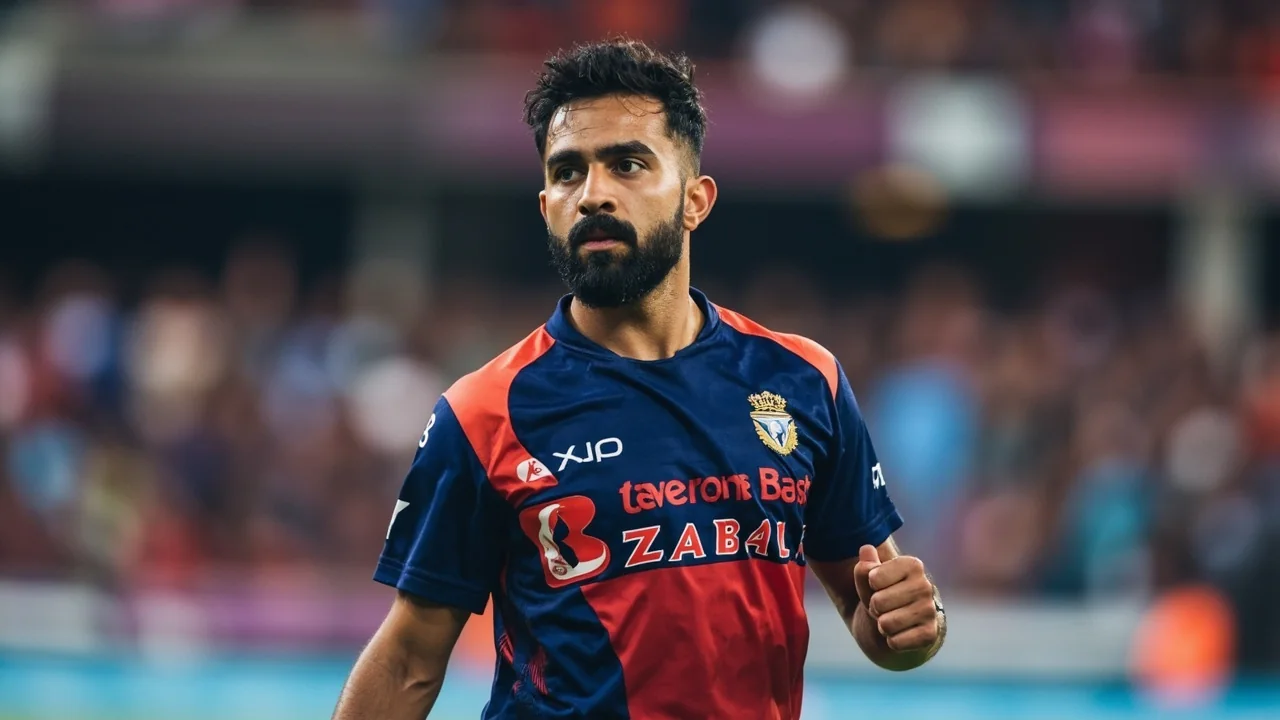
Delhi Capitals won the toss and chose to bowl first on a slow Arun Jaitley surface on Saturday, and the innings that followed looked for a long stretch like a chase neither side would dominate. Mumbai Indians, without their injured captain Hardik Pandya, were held to 162 for 6 - a total defined less by the batters' failures than by the surface that gripped, turned, and refused to reward anything other than placement. Only four sixes were hit in the entire Mumbai innings. The reply wobbled, with Delhi 42 for 2 at the powerplay, before Pathum Nissanka's 44 held the middle overs together and Rizvi's 90 off 51 took the chase to the boundary rope and beyond. By the time Tilak Varma's 51-run effort with the bat was matched and surpassed by Rizvi's with the ball coming on, the Capitals had wickets in hand and 11 balls still unused. The result took Delhi level on four points with Punjab Kings at the top of the IPL 2026 table, ahead on net run-rate, and pushed Mumbai to a first loss of the season they had opened with three straight wins.
The reading on the night centred on three things: the slow-turning deck that anchored the Mumbai innings, the impact-innings Rizvi has now strung together two matches in a row, and the table-topping consequences for the league stage. All three are factual and none of them needs an analytical leap to justify. The match read like a contest settled on a single batter's match-up mid-innings - the kind of contest that fantasy operators read in real time and that the broadcast desks parsed through the death overs.
How the 163-run chase broke down
The Arun Jaitley pitch was the kind of surface T20 cricket produces roughly once every few matchweeks at the venue: a slow, slightly tacky track where the ball gripped through the second half of the innings and where the straight boundaries sat just a touch further than the square ones. Mukesh Choudhary's third over set the template. With the new ball still hard, Choudhary removed Ryan Rickelton and Tilak Varma in successive deliveries to leave Mumbai 18 for 2 inside the powerplay. The collapse was not a slumping of the batting order so much as a collapse of the powerplay idea: Mumbai had been planning to go hard at the top, and the surface and the bowler simply did not concede.
The rest of the Mumbai innings was a holding exercise. Suryakumar Yadav, standing in for the injured Hardik Pandya, top-scored with 51 from 39 balls, mixing the occasional boundary with the singles that the surface did allow. Rohit Sharma made 35 off 29 and anchored the first half of the innings before falling in the 14th over. No other Mumbai batter crossed 25; the four sixes the innings produced were all hit by the top three, and three of them came off Yadav's bat. The eventual 162 for 6 was, on the surface, around 12 to 15 runs light of a par total at the venue, and the death-overs reading was that Mumbai had not quite been able to recalibrate when the pitch tilted back in the batters' favour.
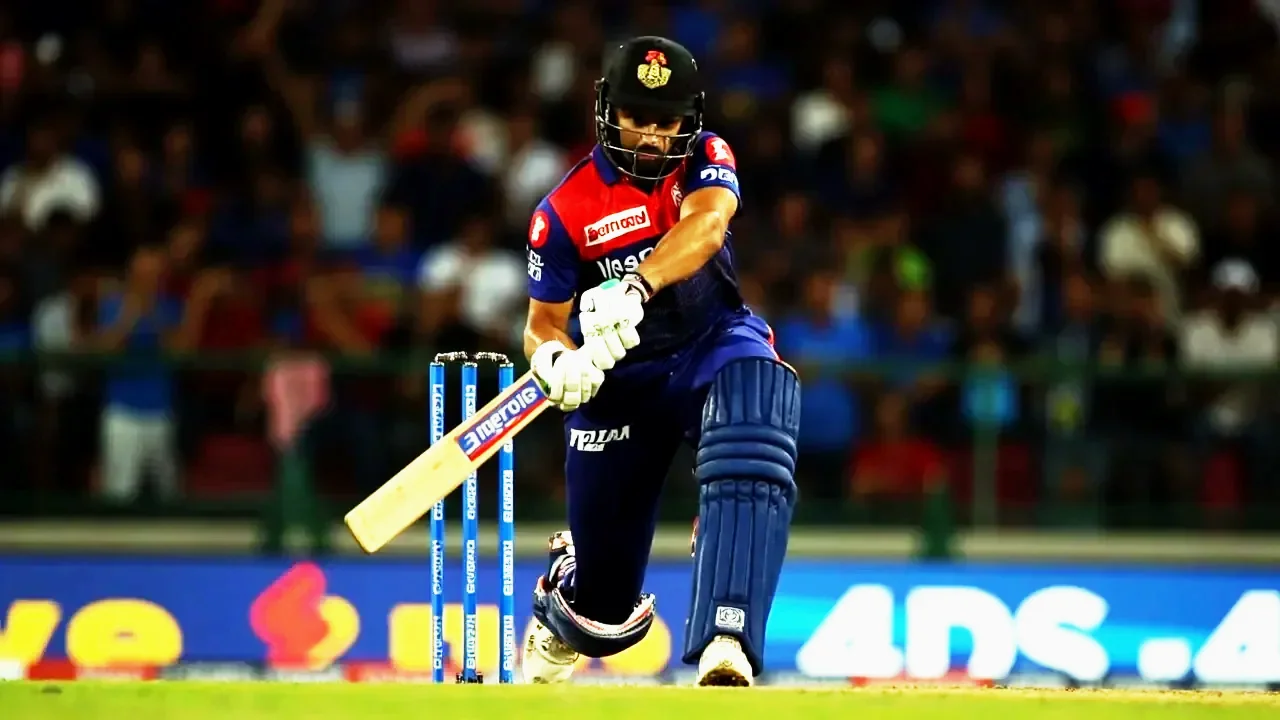
Delhi's chase felt for a long stretch like the same arithmetic but reversed. The Capitals were 42 for 2 at the powerplay after KL Rahul and one of the openers fell early, and the asking rate was hovering just above eight. Pathum Nissanka's 44 off 31 balls held the innings together through the middle overs before Rizvi took the strike and the chase in the same over. The 90 that Rizvi finished on contained seven sixes and seven fours - fourteen boundary events in 51 balls - and the strike rate of 176.47 sat comfortably above the asking rate without ever feeling forced. By the time Rizvi fell in the 18th over, the chase was effectively closed; Delhi finished with 11 balls unused and the six wickets in hand.
What Rizvi's form run actually looks like
Two fifties in two matches is the kind of stat that fantasy operators keep especially close tabs on. The 90 off 51 followed a fifty in the previous fixture and pushes Rizvi into the conversation among the more reliable middle-order impact batters available in the IPL 2026 fantasy pool. The relevant context for fantasy and for the broadcast desk is what the two innings have in common. Both came on slow surfaces where the ball gripped and the square boundaries did most of the work. Both came when the chase had to be rebuilt from a wicket-down position. Both came with Rizvi batting at number four, behind the top three, in the role that the Capitals had earmarked for him at the start of the season.
That is the form signal the wider league will take away from the match. The innings was not a one-off on a flat belter where the boundary rope sat closer than regulation. It was a controlled innings on a surface that did not reward anything other than placement and timing, and the seven sixes were all hit into the short square boundaries or rolled over the leg side. Rizvi's role at number four has been the one fantasy conversation that largely sat below the top-order discussion for the first half of the season; on the evidence of these two innings, that conversation has shifted.
The wider scoring column for the Capitals now sits at a level that puts the franchise's top six comfortably above the league's mean run rate. The 163 chase was the second successful 160-plus chase the Capitals have completed in the last three matches, and both times the surface has been slow. The read for the rest of the league stage is that the Capitals are no longer dependent on a single high-scoring batter and that the Rizvi innings is part of a pattern rather than a peak.
What the table looks like after the result
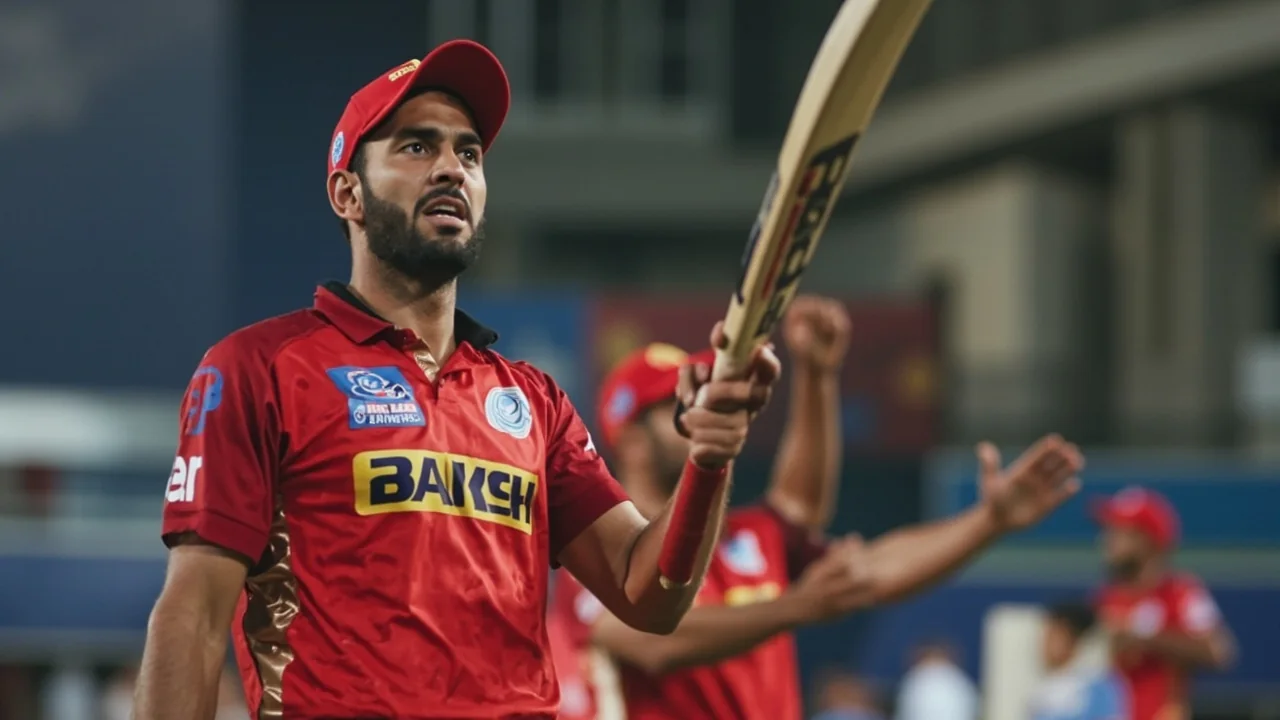
The win lifted Delhi Capitals to the top of the IPL 2026 standings. They sit level on four points with Punjab Kings but ahead on net run-rate, with the rest of the field a point further back. The relevant comparison for the Capitals is not the absolute point total but the run-rate cushion, which is the kind of buffer that holds up across the first half of the league stage and gives a team some margin for an off night. With three matches played and one defeat, the Capitals are now in the bracket of teams that can absorb a single loss in the next two weeks without dropping out of the top two.
Mumbai Indians, meanwhile, took their first defeat of IPL 2026 after three straight wins. The relevant second-order reading for the five-time champions is not the loss itself - every team loses a match in the league stage - but the nature of the loss. Mumbai's batting was held to 162 on a surface that produced 164 at the end of the chase and would have allowed 175 to 180 had the top order held together in the powerplay. The bowling, by the end of the night, had been beaten not by a single boundary-hitting batter but by a chase that flowed through the middle overs; that is the kind of match that the Mumbai coaching staff will read as a structural problem rather than a form problem.
The wider table moves only marginally with one result. Royal Challengers Bengaluru, Gujarat Titans and Lucknow Super Giants all sit a point behind the top two; Chennai Super Kings and Sunrisers Hyderabad are a further point back. The first half of the league stage is now in the kind of territory where the top four and the bottom four are separated by a single result, and where the next two weekends will likely determine whether the table splits cleanly or stays compressed for another fortnight. The Rizvi innings, in that sense, was the kind of result that lifted the Capitals one rung without reshaping the standings.
The Pandya question and the depth of the Mumbai card
Hardik Pandya's absence was the shadow over the Mumbai side all evening. The captain was ruled out before the toss with the injury that has kept him on the sidelines for the previous match as well, and the bowling allrounder role - the one that has historically allowed Pandya to bowl four overs of pace at the death and bat at number five - was split between two players. The Pandya question is not a new one for the Mumbai franchise in this IPL cycle, but the read on this match is that the gap his absence opens is wider than the gap his return would close. Mumbai's batting was held to 162 on a slow track where the top-order had the chance to go hard at the new ball; the lower-order did not produce the boundary-hitting cameos that the Pandya role typically provides.
The fantasy read on the Mumbai side is consequently a quieter one for the next two weeks. The captain question is more straightforward than the batting line-up question, and the line-up question is more straightforward than the impact-player conversation. Until Pandya returns, the relevant pick from the Mumbai card is the wrist-spinner who has held his end through the powerplay - the ceiling on his fantasy points is limited by the absence of Mumbai's middle-overs hitters, but the floor is high. The Pandya return, when it comes, will open up the differential-captain slot for the next two Mumbai matches and ease the load on the batters above him.
For the Capitals, the Pandya question is the kind of opponent factor that fantasy operators read as a fixture-specific tailwind rather than a permanent feature. The next two Delhi fixtures are against sides with less experienced captaincy absences, and the field placement conversations will shift accordingly. The Rizvi innings, in short, does not need Pandya to be missing in two weeks' time to keep its value; it stands on the surface reading and on the match-up against the second-string Mumbai XI.
Fantasy cricket read: where the Rizvi innings shifts the captain conversation
For fantasy operators running a Quriousbit-style 100-credit team through the IPL 2026 calendar, the 90 off 51 changed three specific things in the captain-pick and role-bucket conversations at the start of the season's middle stretch. The first was the read on the number-four slot. Rizvi had been a niche differential pick across the first two matchweeks; after two successive fifties, he moves into the bracket of batters that operators need to consider for the captain slot on the next Delhi fixture. That is a different ownership bracket from the one he sat in at the start of the month.
The second was the read on the impact-player slot. With Rizvi increasingly in the discussion as a top-six captain pick, the Capitals' impact-player slot becomes a more interesting second-pick conversation. The wrist-spinner and the death-overs pace option are the two names that fantasy operators have been tracking behind the top order; the Rizvi innings does not change either of their ceiling values, but it lifts the floor on the team's overall match-up points. The impact-player slot is the slot that benefits from a steady top-order match-up, and the Rizvi innings provided that.
The third was the read on the Mumbai bowling attack. The Mumbai seam trio that bowled the powerplay on Saturday has been a fantasy asset in its own right; the chase that the Capitals completed at a touch above the asking rate for most of the innings put downward pressure on their wicket-taking upside for the next two matches. The practical captain-pick slide was to move the Mumbai seam options into the differential-slot category for the next two fixtures, with their value returning only if the surface turns slower than expected. The figures that the trio put up on Saturday did not survive the night as headline numbers.
None of these are predictions; they are read-throughs from the match-ups that the 90 off 51 produced and from the standings it shifted. Fantasy operators running Quriousbit teams through the IPL 2026 middle stretch will integrate the same three readings in the order they apply to their own team structure - the number-four slot, the impact-player slot, and the opponent bowling slot - and weight them differently depending on which matches their teams are built around.
Frequently asked questions
What did Sameer Rizvi score against Mumbai Indians in IPL 2026?
Sameer Rizvi scored 90 off 51 balls for Delhi Capitals against Mumbai Indians at the Arun Jaitley Stadium, with seven sixes and seven fours at a strike rate of 176.47. It was his second successive IPL fifty.
What was the result of the Delhi Capitals vs Mumbai Indians IPL 2026 match?
Delhi Capitals won by six wickets with 11 balls to spare, chasing Mumbai's 162 for 6. The result lifted DC level on four points with Punjab Kings at the top of the IPL 2026 table but ahead on net run-rate.
Why was Hardik Pandya not playing for Mumbai Indians?
Hardik Pandya was ruled out before the toss with the injury that has kept him sidelined for the previous match as well. Suryakumar Yadav captained the side in his absence and top-scored with 51 off 39 balls.
Who bowled the powerplay for Mumbai Indians and how did it go?
Delhi Capitals seamer Mukesh Choudhary removed Ryan Rickelton and Tilak Varma in successive deliveries in the third over to leave Mumbai 18 for 2 inside the powerplay. The collapse was the foundation of the eventual 162 for 6 total.
What was the Arun Jaitley Stadium pitch like for the match?
The pitch was slow and slightly tacky, gripping through the second half of the innings. Only four sixes were hit in the entire Mumbai innings, and the boundaries sat closer on the square side than the straight side. The total of 162 for 6 was around 12 to 15 runs short of a par score at the venue.
How did Pathum Nissanka contribute to the Delhi chase?
Pathum Nissanka made 44 off 31 balls in a counter-attacking innings that held the middle overs together after Delhi slipped to 42 for 2 at the powerplay. His partnership with Rizvi rebuilt the chase before Rizvi closed it out.
Where does this result leave Mumbai Indians in the IPL 2026 standings?
The loss was Mumbai's first defeat of IPL 2026 after three straight wins. The side sits a point behind the top two on the table and will need to reset the batting order around Pandya's eventual return to the side.
What to read next
Two follow-up reads are worth marking for IPL 2026 operators tracking the Rizvi innings and the wider table. The first is the Delhi Capitals' next IPL 2026 fixture and whether Rizvi's number-four role holds across a venue with a flatter batting surface. The second is the Hardik Pandya return date and the impact it is likely to have on Mumbai's batting line-up and on the fantasy ceiling of the Mumbai seam trio. Between those two data points sits the rest of the Capitals' IPL 2026 campaign and the wider question of whether the top of the table splits cleanly across the next two matchweeks or stays compressed. For the broader reading list on the Capitals' season, the IPL 2026 final standings and the pre-auction captain notes, follow the Quriousbit IPL 2026 coverage.